
Why Size Of A 20ft Container Still Matters In 2024
페이지 정보

본문
Understanding the Size of a 20ft Container: A Comprehensive Guide
When it concerns shipping and logistics, one of the most commonly utilized containers is the 20-foot container. Its extensive usage in international shipping and transportation makes it necessary for services and people alike to comprehend its dimensions and storage capability. This post will look into the size of a 20-foot container, its specifications, and its applications in shipping, storage, and transport.
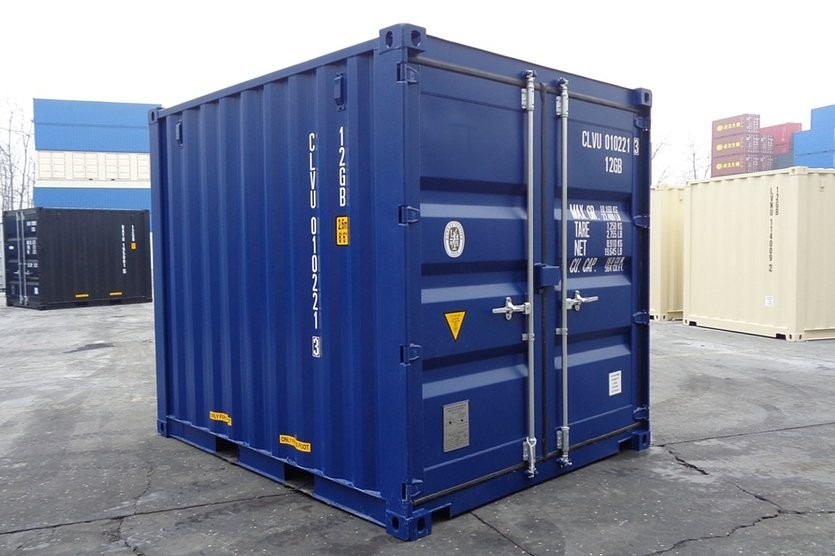
Specs of a 20ft Container
A standard 20-ft container, likewise called a Twenty-foot Equivalent Unit (TEU), generally has the following dimensions:
| Dimension | Measurement (in feet) | Measurement (in meters) |
|---|---|---|
| External Length | 20 ft | 6.06 m |
| External Width | 8 ft | 2.44 m |
| External Height | 8.5 ft | 2.59 m |
| Internal Length | 19.4 ft | 5.89 m |
| Internal Width | 7.7 ft | 2.35 m |
| Internal Height | 7.9 ft | 2.39 m |
| Optimum Payload | ~ 52,910 lbs | ~ 24,000 kg |
| Tare Weight | ~ 4,200 lbs | ~ 1,900 kg |
Internal Volume
The internal volume of a basic 20 Feet Container Weight-ft container is roughly 1,172 cubic feet or 33.2 cubic meters. This volume is essential for identifying just how much cargo can be effectively loaded and carried.
Capacity
In regards to capability, a 20-ft container can normally hold:
- Standard Pallets: About 10-11 basic pallets (48" x 40").
- Cubic Feet: Roughly 1,172 cubic feet (33.2 cubic meters).
- Weight 20ft Container Limit: Generally near to 52,910 pounds (24,000 kg), depending on freight type and container specifications.
This makes the 20ft Container Length container a favorite option among companies for numerous applications including transporting items, momentary storage sites, and even as makeshift workplaces or living spaces.
Applications of 20ft Containers
The adaptability of the 20ft container enables various applications throughout different markets:
Shipping and Logistics:
- Used primarily for transferring products via sea, rail, or road.
- Perfect for worldwide shipping due to its standard size.
Storage Solutions:
- Frequently utilized as on-site storage at building and construction websites.
- Can act as a momentary or long-term storage service for companies.
Modular Construction:
- Containers are progressively being repurposed for inexpensive real estate or pop-up shops.
- Custom modifications can transform them into modern-day home.
Event Hosting:
- Containers can be transformed into bars, workplaces, or exhibition spaces for occasions.
Catastrophe Relief:
- Used for transporting materials and shelter products throughout emergencies.
Advantages of Using 20ft Containers
Utilizing 20ft containers features a wealth of benefits:
Cost-Effectiveness:
- Affordable shipping charges, specifically for bulk deliveries.
Sturdiness:
- Constructed from steel, making them resistant to weather and physical damage.
Security:
- Lockable and sturdy, supplying a safe environment for important items.
Relieve of Transport:
- Easily loaded onto ships, trucks, and trains, facilitating multi-modal transportation.
Flexibility:
- Can be utilized for diverse applications, from storage to living spaces.
Disadvantages of 20ft Containers
While they offer many benefits, there are some drawbacks to think about:
Limited Volume for Larger Items:
- The 20ft container can be insufficient for larger items or bulk deliveries, requiring using larger containers.
Modifications Required:
- For specialized storage or living requirements, modifications can add time and expenses.
Weight Limitations:
- The maximum payload limits need to be kept track of to prevent surpassing the structural stability Price Of A 20ft Shipping Container the container.
Frequently Asked Questions (FAQ)
1. What is the difference between a basic 20ft container and a high cube container?
A basic 20ft container has an external height of 8.5 feet, whereas a high cube container is 9.5 feet tall. The extra height in high cube containers enables more interior vertical space, making it ideal for freight that is taller than basic containers.
2. The number of 20ft containers fit on a freight ship?
The variety of 20ft containers that can fit on a freight ship varies depending on the vessel's size and design. Usually, a Panamax cargo vessel can accommodate around 4,000 TEUs, which may consist of many 20ft and 40ft containers.
3. Can I acquire a used 20ft container?
Yes, numerous suppliers sell utilized shipping containers at lower prices. Buyers ought to examine containers for structural integrity and signs of wear that may affect usability.
4. What are the common uses of 20ft containers in homes?
20ft Storage Containers containers can be changed into contemporary homes, guesthouses, or office through insulation, pipes, and electrical modifications.
5. Are there guidelines for using shipping containers as storage?
Different regions have specific policies for using shipping containers as storage. Local zoning laws and structure codes ought to be consulted before positioning.
The 20ft container works as a steadfast pillar in the realm of shipping and logistics, offering a dependable and versatile solution for numerous needs-- from international freight transport to innovative architectural applications. Understanding the size and requirements of a 20ft container can help services and individuals make informed choices about their shipping and storage requirements. By leveraging the advantages of 20ft containers, one can improve operations and check out new opportunities in a continuously developing market.
- 이전글비아그라는 처방전 없이 구매할 수 있나요? 26.07.12
- 다음글비아그라 구매, 비아스토어를 선택해야 하는 이유 26.07.12
댓글목록
등록된 댓글이 없습니다.