
Guide To Sea Containers: The Intermediate Guide To Sea Containers
페이지 정보

본문

Understanding Sea Containers: The Backbone of Global Shipping
In an age where globalization is at its peak, the transportation of goods throughout continents has actually never ever been more important. At the heart of this logistical marvel lies sea containers, the unrecognized heroes of worldwide trade. These standardized metal boxes not just help with the motion of products however also guarantee that they show up safely and efficiently at their location. This post looks into the world of sea containers, exploring their design, functionality, benefits, and the future they keep in the shipping industry.
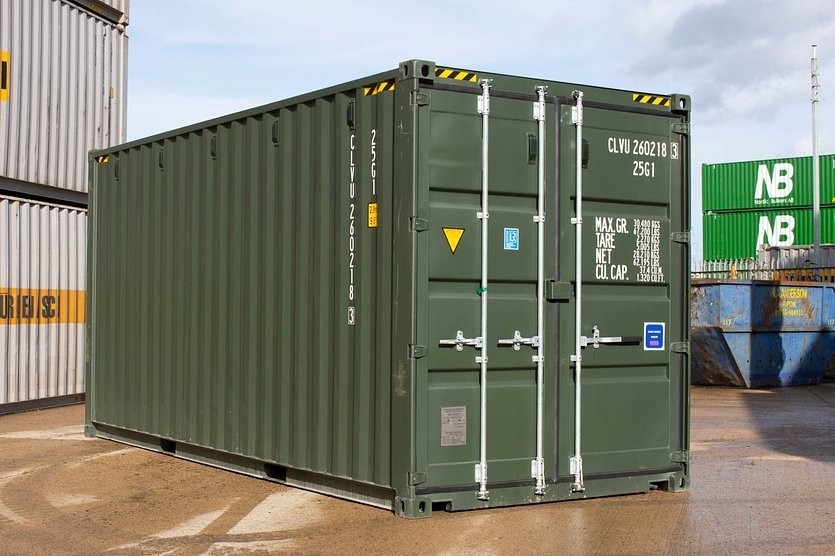
What Are Sea Containers?
Sea containers, typically referred to as Shipping Container Housing containers or cargo containers, are big standardized metal boxes developed to transport products via cargo ships, trucks, and trains. Their standardization allows for smooth intermodal transport, indicating they can be quickly transferred from one mode of transportation to another without unloading the cargo.
Dimensions and Types
Sea containers are available in numerous sizes and types, allowing them to accommodate different types of cargo. Below is a table that lays out the most common container types and their dimensions:
| Container Type | Length (feet) | Width (feet) | Height (feet) | Capacity (Cubic Feet) |
|---|---|---|---|---|
| Standard Container | 20 | 8 | 8.5 | 1,169 |
| High Cube Container | 40 | 8 | 9.5 | 2,694 |
| Reefer Container | 40 | 8 | 9.5 | 2,694 |
| Open Top Container | 40 | 8 | 8.5 | 2,694 |
| Flat Rack Container | 40 | 8 | 8.5 | 2,694 |
Common Uses of Sea Containers
Sea containers are versatile and can be used to transport a large range of items, consisting of:
- Consumer Goods: Electronics, clothes, and home products are frequently shipped in sea containers.
- Bulk Cargo: Items like grains, minerals, and chemicals can be transported in specialized containers designed for bulk.
- Perishable Goods: Reefer containers preserve temperature-controlled environments for transporting food items like fruits, veggies, and meat.
- Heavy Machinery: Flat racks are often used to transport extra-large or heavy equipment.
- Miscellaneous Cargo: Open-top containers can accommodate cargo that exceeds standard height limitations.
The Advantages of Using Sea Containers
Sea containers have reinvented how products are transferred. Here are a number of benefits that make them the preferred option for carriers and logistics suppliers:
- Protection: Containers guard cargo from the components, consisting of rain, sunshine, and wind, reducing the danger of damage throughout transit.
- Standardization: The harmony in container size enables efficient stacking and storage both on ships and at ports, optimizing cargo area.
- Security: Containers can be sealed to prevent theft and tampering, ensuring that goods arrive as meant.
- Intermodal Transport: With standardized dimensions, containers can be easily moved in between ships, trucks, and trains without discharging the cargo.
- Cost-Effectiveness: The use of containers minimizes shipping costs due to reduce managing times and improved packing effectiveness.
The Role of Technology in Sea Container Management
The shipping market is progressively counting on technology to improve the efficiency and security of sea container transport. Some notable improvements include:
- Tracking and Monitoring: GPS innovation enables stakeholders to track the area and condition of containers in real-time, offering higher openness in the supply chain.
- Smart Containers: Equipped with sensing units, wise containers can keep an eye on temperature level, humidity, and even detect movement or tampering.
- Automated Handling: Automated cranes and robotic systems improve container loading and discharging procedures, decreasing labor costs and improving turnaround times.
The Environmental Impact of Sea Containers
As the world becomes more environmentally mindful, the shipping industry, consisting of sea container transport, deals with increasing scrutiny concerning its carbon footprint. The following methods are being embraced to alleviate ecological impact:
- Cleaner Fuels: Transitioning to low-sulfur fuels and exploring alternative energy sources like LNG (Liquefied Natural Gas) and hydrogen fuel cells.
- Effective Routing: Utilizing software application to enhance shipping routes and lower fuel usage.
- Recycling and Reusing: Promoting the recycling of old containers into new products or recycling them for secondary functions, such as housing or pop-up shops.
FAQs About Sea Containers
What is the average life expectancy of a shipping container?
Usually, Shipping Container Design containers have a life expectancy of 10-15 years. However, their sturdiness frequently allows them to last much longer with proper upkeep.
Can shipping containers be used for storage?
Yes, sea containers are commonly repurposed for storage centers due to their strength, security, and weather-resistant features.
Just how much does a shipping container weigh?
A standard 20-foot Shipping Container Housing container weighs approximately 4,800 pounds (2,177 kg), while a 40-foot container weighs around 8,000 pounds (3,628 kg).
Are there policies governing sea container transport?
Yes, numerous worldwide guidelines govern the 40ft Shipping Container of containers, including standards set by the International Maritime Organization (IMO) and the International Organization for Standardization (ISO).
How do I pick the best type of container for shipping?
Choosing the best container depends upon the type of cargo being delivered, its size, weight, and specific transportation requirements (e.g., temperature control for perishables).
Sea containers play a pivotal role in worldwide trade, offering a trusted, secure, and efficient methods for carrying items. As innovation progresses and environmental concerns grow, the Shipping Container Marketplace market is poised to adjust and innovate, ensuring that containers stay main to international logistics. Comprehending their performance, benefits, and future implications is important for anybody associated with or interested in the shipping and logistics sectors. Ultimately, the sea container stands as a testimony to human ingenuity and the drive for connection in a significantly globalized world.
- 이전글What's The Job Market For Office Copy Paper Professionals? 26.07.13
- 다음글The No. 1 Question Everyone Working In Crypto Slots Casino Must Know How To Answer 26.07.13
댓글목록
등록된 댓글이 없습니다.