
10 Facts About Shipping Container Cost That Insists On Putting You In …
페이지 정보

본문
Understanding Shipping Container Costs: A Comprehensive Guide
Shipping containers have actually become a popular option for different applications, from transport to storage and even as ingenious architectural solutions. With the rising demand for shipping containers, comprehending their expenses is vital for those interested in buying or leasing them. In this in-depth guide, we will check out the aspects that identify Shipping Container Architecture container costs, provide comparative tables, and answer regularly asked concerns to assist you make informed choices.
Aspects Influencing Shipping Container Costs
The cost of shipping containers can vary substantially based upon several elements. Comprehending these aspects can assist you prepare for expenses and make better-budgeted choices. Here are the primary aspects that influence shipping container prices:

1. Container Type
Shipping Container Office containers come in various types, each designed for particular usages. The most typical types include:
- Standard Dry Containers: These are the most often used containers for general cargo.
- Reefer Containers: Temperature-controlled containers ideal for shipping disposable goods.
- Open Top Containers: Perfect for extra-large cargo that can not fit through standard container doors.
- Flat Rack Containers: Utilized for heavy or awkwardly shaped products.
- High Cube Containers: Similar to standard containers however with an extra foot in height.
Table 1: Average Prices of Different Container Types
| Container Type | Average Cost (GBP) |
|---|---|
| Standard Dry Container | ₤ 2,000 - ₤ 4,500 |
| Reefer Container | ₤ 3,000 - ₤ 7,000 |
| Open Top Container | ₤ 2,500 - ₤ 5,000 |
| Flat Rack Container | ₤ 2,000 - ₤ 4,000 |
| High Cube Container | ₤ 2,500 - ₤ 5,500 |
2. Condition of the Container
The condition plays a considerable role in figuring out the cost:
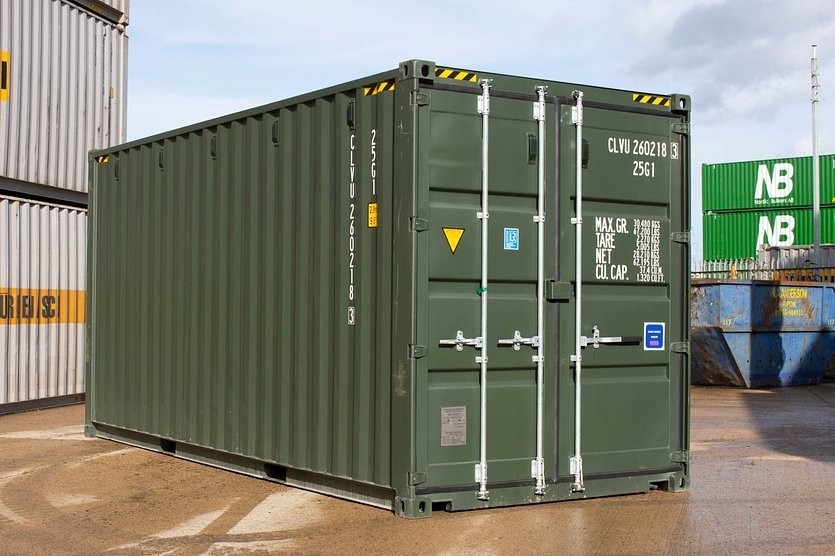
- New Containers: These containers come at a premium price but use the very best resilience and visual appeal.
- Used Containers: More affordable choices that might reveal wear and tear however are still functional.
- Refurbished Containers: These go through repairs and upgrades, using a middle-ground prices alternative.
Table 2: Cost Comparison Based on Container Condition
| Condition | Typical Cost (GBP) |
|---|---|
| New | ₤ 4,000 - ₤ 6,000 |
| Used | ₤ 2,000 - ₤ 3,500 |
| Reconditioned | ₤ 3,000 - ₤ 5,000 |
3. Size of the Container
Shipping Container Cost containers are readily available in different sizes, typically determined in TEUs (Twenty-foot Equivalent Units). The 2 most common sizes are 20-foot and 40-foot containers, affecting cost considerably.
Table 3: Cost Based on Container Size
| Container Size | Average Cost (GBP) |
|---|---|
| 20-foot | ₤ 2,000 - ₤ 4,000 |
| 40-foot | ₤ 3,500 - ₤ 5,500 |
4. Area and Delivery
The geographical place can affect container expenses due to transport charges. Urban locations might have higher prices due to demand, while rural areas might have lower costs but higher delivery charges.
5. Market Trends
The shipping industry is unpredictable, affected by elements such as worldwide trade volumes, fuel prices, and seasonal needs. Prices can vary based upon these trends, impacting overall shipping container expenses.
Cost Breakdown Examples
When pondering the purchase of shipping containers, it is crucial to consider the overall cost, that includes not just the price of the container however likewise extra expenses like:
- Delivery charges: Depending on the distance from the supplier.
- Customs tasks and taxes: If importing containers from another country.
- Modification expenses: If the container Conversion price needs changes for specific applications.
Table 4: Total Cost Estimation for Container Purchase
| Container Type | Base Cost (GBP) | Delivery (GBP) | Modification (GBP) | Total Cost (GBP) |
|---|---|---|---|---|
| 20-foot Dry Container | ₤ 2,500 | ₤ 400 | ₤ 300 | ₤ 3,200 |
| 40-foot Reefer Container | ₤ 6,000 | ₤ 600 | ₤ 500 | ₤ 7,100 |
Often Asked Questions (FAQ)
Q1: What is the typical life expectancy of a shipping container?
A1: The average lifespan of a shipping container is around 10 to 15 years, depending upon its use and upkeep.
Q2: Can I rent a shipping container instead of buying?
A2: Yes, lots of companies provide rental services for shipping containers, enabling you to pay a regular monthly charge instead of a lump sum.
Q3: Are there additional expenses connected with owning a shipping container?
A3: Yes, maintenance, insurance, and storage costs may be incurred after purchase.
Q4: How should I prepare my space for a shipping container?
A4: Ensure the area is level, available, and has adequate drain to prevent moisture buildup.
Q5: Is it possible to modify a shipping container?
A5: Absolutely, shipping containers can be modified for numerous uses, consisting of homes, workplaces, and even swimming pools, with adaptations for doors, windows, and insulation.
Comprehending the expenses related to shipping containers is crucial for anyone aiming to buy them. By considering aspects like container type, condition, location, and market trends, prospective purchasers can make educated decisions that suit their requirements and spending plan. Whether you are wanting to buy, rent, or customize a container, having a clear understanding of the associated expenses will guide you through the procedure. With the best info, you can discover the ideal shipping container solution for your project.
- 이전글비아그라 재구매 시 주의할 점은? 26.07.13
- 다음글비아그라 정품 후기와 가짜 후기 구별법 26.07.13
댓글목록
등록된 댓글이 없습니다.